-
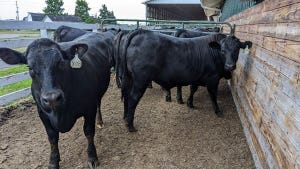
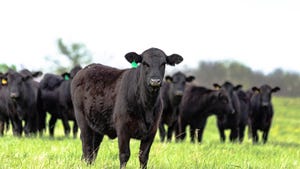
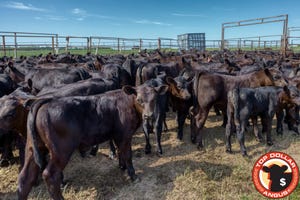
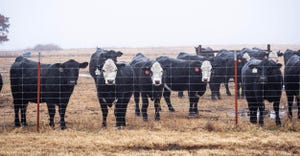
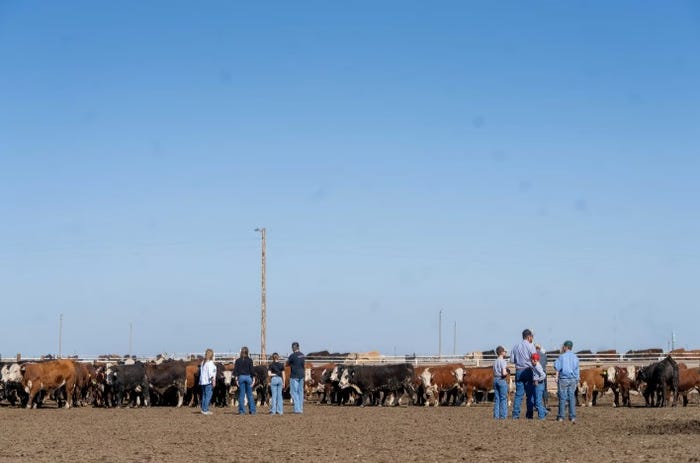
Newly-arrived cattle first go through an analysis upon arrival, which includes processing and a look at their health status. Because incoming cattle often come from multiple sources and are comingled, standard protocol is to run the cattle through the processing chute on arrival, where they are worked to ensure they get off to a good start. This initial processing can include, among other things, vaccinating, implanting (if not part of a natural or NHTC program) and tagging each calf. If the cattle are from a single source and the feedyard manager is familiar with their management on the ranch, this initial step may be skipped.
-
When cattle arrive, they are weighed in group lots to get an average weight for the bunch. Then it’s off to the start of their stay in the feedyard, where they will be managed to ensure their healthcare and nutrition are the best available.
-
Much of the cattle work in a feedyard is still done horseback. Working cattle on foot or with a four-wheeler are options, but for precision and efficiency, horses are often the best choice.
-
One of the factors that makes the High Plains an ideal place to feed cattle is the semi-arid climate. While dry, mud-free pens are good for cattle performance, high-traffic areas in the feedyard can get dusty. A sprinkling of water helps out.
-
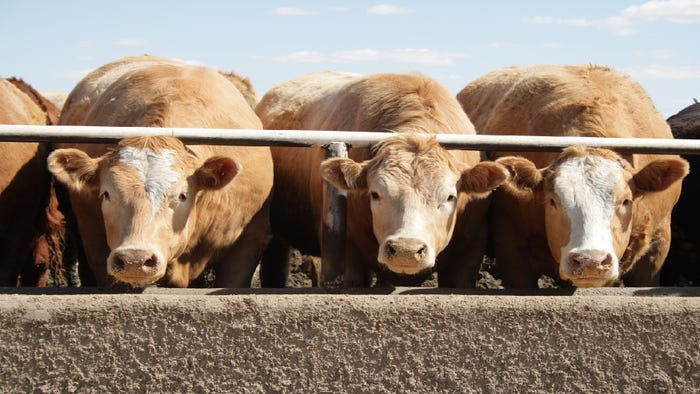
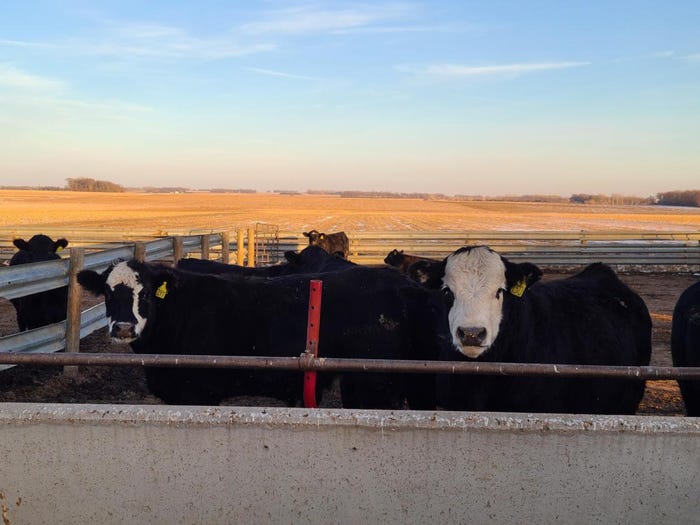
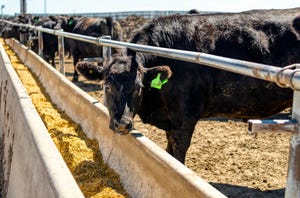
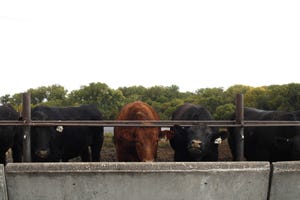
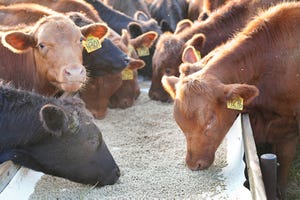
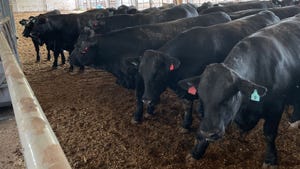
For many newly-arrived cattle, learning to eat from a feedbunk and drink from a water trough is the first order of business, unless they’ve been preconditioned. Putting feed in front of the calves that they are familiar with and will eat helps them transition from the ranch to the feedyard.
-
A full belly is one of the most important factors in animal health. If a calf isn’t eating and drinking, its body can’t respond to vaccines and antibiotics as well. Once newly-arrived calves are bunk broke, they’re moved up to full feed with a series of starting rations that gradually increase the percentage of grains in the diet.
-
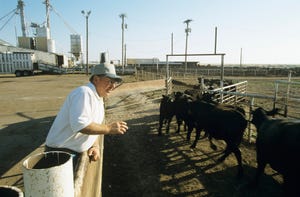
It’s been said a well-run feedyard is the most boring place on earth. An on-site feedmill ensures quality feed is freshly prepared for each meal and pen riders ensure all health issues are promptly addressed. Well fed, healthy cattle produce quality beef, and that’s the end game.
-
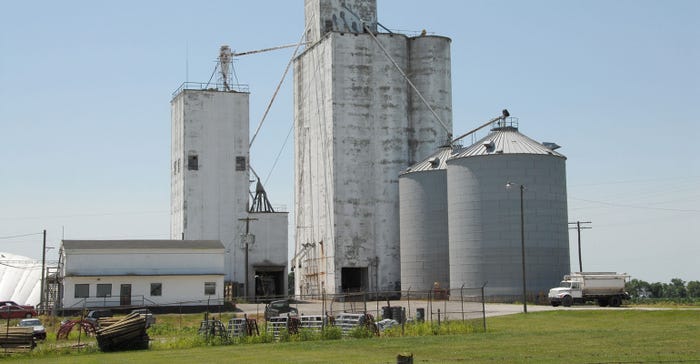
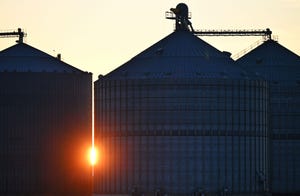
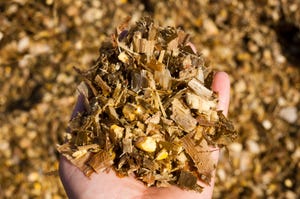
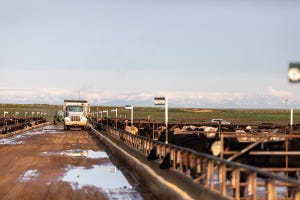
Commercial feedyards rely on a steady flow of feedstuffs to keep the mill running. Every day, semis hauling feed come through the front gate to deliver grain and other feedstuffs.
-
Corn has become high priced and most analysts don’t expect that to change. As a result, feedyards have had to tweak their rations and rethink their animal nutrition programs. Lately, wheat has become a larger part of feedyard rations, depending on its price relative to corn and sorghum.
-
Most feedyards on the High Plains utilize outside expertise such as consulting veterinarians and nutritionists to help the yard run efficiently and employees work at peak performance. Tom Noffsinger, a consulting feedyard veterinarian and expert on low-stress cattle handling, uses a cell phone and a pen to illustrate the principles of low-stress cattle handling.
-
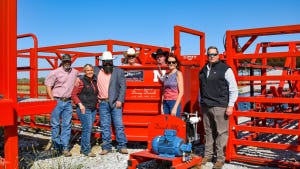
Employee training is an on-going and essential part of making a feedyard run smoothly. Beef Quality Assurance principles, feedyard safety, equipment repair and maintenance and other subjects can be reviewed by on-site consultants and by sending employees to training sessions.
-
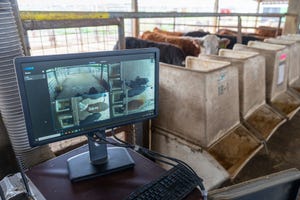
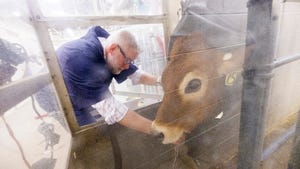
The processing barn is one of the first stops for newly-arrived cattle. Here, they’re prepared for their stay in the feedyard, ensuring that they get the best start possible. Low-stress cattle handling techniques can help. Calm cattle go on feed faster and respond better to vaccines and antibiotics. Dean Cluck Feedyard uses a computerized sorting system that weighs each animal and measures its frame size, then sorts the cattle into pens and calculates a likely out date.
-
BQA principles are fundamental in providing quality cattle crew. Among those principles are to only mix enough modified-live vaccine that can be used in an hour. Here a member of the processing crew changes out a medicine bag with fresh, cool vaccine to ensure each calf gets the full benefit of its shots.
-
Low-stress cattle handling tactics are just as important when riding pens as when working cattle through a chute. By understanding flight zones, balance points and cattle behavior, pen riders can more effectively deliver healthcare services to cattle.
-
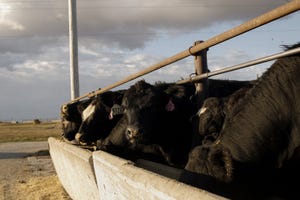
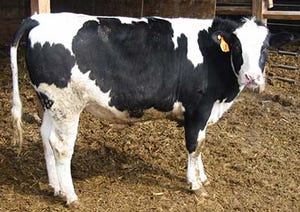
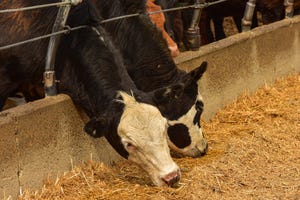
Bunk-lickin’ good seems to be what this steer likes. And he gets it, twice and sometimes three times a day, depending on the feedyard’s feeding schedule.
-
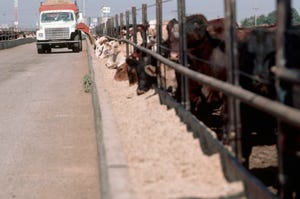
Rolling stock is vital to feedyard operations—if the feed trucks keep rolling, the cattle keep gaining. Long before the sun rises each day, bunk readers drive the yard and call the feed needs for the day. Then it’s fire up the mill and start filling feed trucks with a custom ration for each pen.
It first began to boom and blossom in the 1960s an early 70s, and cattle feeding on the High Plains is now a major driver in the industry’s efforts to produce high quality beef for not just U.S. consumers, but consumers worldwide. Industry dynamics are changing and the cattle feeding sector is adapting to those changes. But the basics remain the same—quality feed, quality cattle care and a low stress feedyard environment are just as important now as they were in the beginning.
Sit back and take a virtual tour of Dean Cluck Feedyard near Gruver, TX. Photos by Burt Rutherford.