Commercial Cattleman Builds Back His Herd Using DNA Marker Technology

What is in this article?:

By combining a low-density DNA marker test on its commercial cows and calves with a high-density test on the bulls they buy, the Vest Ranch is positioning itself to rebound from drought.

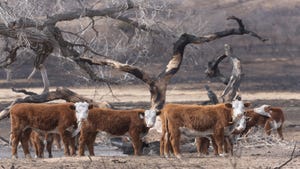
Keeping the right females is something every rancher struggles with, even when it does rain, says Ty Watkins. “However, in a drought year where you’re forced to make decisions within your cowherd that you wouldn’t otherwise make, you really want to be sure you’re keeping the most efficient, most productive cows possible.”

Then, when it does rain and you begin to rebuild, you can build from that base of efficiency and productivity to bring your cowherd back better and more profitable.

At least that’s Watkins’ plan. He and his wife Samann manage her family’s ranches in the Texas Panhandle near Childress and in West Texas around Kermit and Monahans. But the question now in a drought is the same as it’s always been: how do you know which cows need to be fired?

Ty & Samann WatkinsLike just about every other commercial cow-calf rancher who ever had to cull a cow, Ty and Samann (right) approach those decisions with all the information they can put together mixed with a healthy dose of gut feel. And while, by outward appearances at least, it looks like they’ve done an exceptional job of keeping the ranch’s legacy intact for great grass and better cows to graze it, they have always looked for more tools to put in their toolbox to better identify the best cows.

Now, they think they have it, and it’s all wrapped up in a drop of blood.

DNA and drought

At the urging of their bull supplier and neighbors, James Henderson and Mary Lou Bradley-Henderson with the Bradley 3 Ranch, the Watkins took blood samples last year when they worked their cows and calves. At the time, they hadn’t made the decision to spend the money on a DNA marker test, but were leaning that direction and collected the samples in case they did.

They pulled the trigger this year; long-term, Ty says, it will be money well spent. “Drought really makes you look within your operation to be sure that the cows you’re keeping are as efficient as they can be.”

Historically, that effort, even in good years, has been based on a lot of assumptions supported by phenotypic data – reproductive performance, age, defects such as udders, eyes and feet, and some measure of average performance, such as pounds weaned per acre.

A Closer Look: Is DNA Testing Hitting Its Stride?

But culling on those criteria really doesn’t tell you which cows are making you money and which cows are losing you money, or whether you’re producing the kind of calf that will perform well enough to not only make a profit for the ranch, but for everyone else in the marketing chain.

Discuss this Article 4

John R. Dykers, Jr. (not verified)
on Feb 28, 2013

This was the most words for the least information of anything I have read on this blog site!
John Dykers

Anonymous (not verified)
on Feb 28, 2013

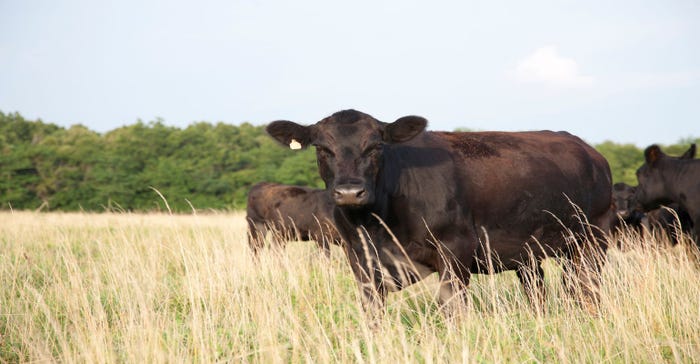
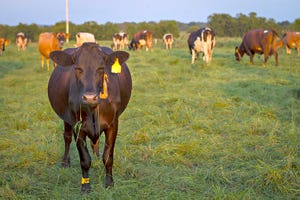
When I see the jug headed, pinch ribbed, no ass-at-all, pendulant sheath bull in the picture, (tho it has such has such pretty brands on it for asthetics), I read that the DNA info is NOT WORKING and is another BS to scam for people that can't look at an animal and see if it has quality. It doesn't matter what its DNA or EPD or any other number says, if it looks like that you want to eat it, not breed it !! Lots of the numbers have accuracy rates that are finite. And many that have high accuracy still are not accurate in knowing that an animal if good if it looks like that......

brutherford
on Mar 1, 2013

It appears the commenters above have definite opinions about the use of DNA technology in cattle selection. And that’s fine. However, as Ty Watkins points out, the technology is only one tool you can use to improve the genetics of your herd—no matter what traits you might wish to emphasize.
It also appears “Anonymous” has opinions on the bull. Again, that’s fine. He looks to me like a bull in his working clothes, doing what he’s supposed to. As for the brands, I don’t know where “Anonymous” is from, but here in West Texas, an unbranded animal is nothing more than rustler bait.
So here’s an idea: If you don’t think DNA technology will work in your operation, don’t use it. If you think it will help, it’s now priced at a point to make it more affordable. Now, wasn’t that easy?

Burt Rutherford

Kenny (not verified)
on Mar 5, 2013

Im not here to argue with anyone. But we all have our own set of challenges and just maybe that bull is EXACTLY what this ranch needs to achieve their goals. The article is wordy but the story is Folks here is another tool that may help you! ps. I could show you some not so pretty purebred Angus cows that are very profitable mothers. Like an old cowboy once told me "EVERYTHING LOOKS GOOD FAT EXCEPT A GIRL IN A BIKINI"

Post new comment
Sign In or register to use your BEEF Magazine ID
(optional)

BEEF Newsletter Sign Up

Search 2.5+ million listings