AmericanCowman.com - Dedicated to America's family cattle operations.

Most Recent

Cow Calf Weekly

Subscribe to our weekly newsletter... It's FREE!

Online Exclusives

Self Help


         Subscribe in NewsGator Online   Subscribe in Bloglines

Marketing clubs for cattlemen have changed over the years. They've not only taken on a new persona, they've morphed into a new and totally different creature.

Back in the 1970s, such clubs usually were cattle-feeding ventures for investors needing a tax shelter — until tax-code changes eliminated such arrangements. Today's marketing clubs have a different slant — to help producers become better marketers and boost their profit.

That's just fine for Donnie Pshigoda, a stocker cattle and a cow-calf operator in Perryton, TX. A veteran of Texas A&M University's (TAMU) Master Marketer program, he's been involved in a local marketing club for almost 10 years.

The members of his local Ochiltree County club mostly discuss wheat, corn, milo, soybean and cotton marketing. But their meetings also get around to what live and feeder cattle futures are doing, and Pshigoda listens closely.

“We market most of our stockers through local sales and several buyers,” he says. “The marketing club provides me with information to help do one of the most difficult tasks in our operation — pull the trigger on pricing.”

Intelligence and protection

Pshigoda is a charter member of the club that his county agent Scott Strawn helped start in the mid-1990s. It consists mostly of producers who are TAMU Master Marketer advanced marketing educational program alumni. TAMU was the first institution in the nation to conduct such a course.

There are 12-15 active members in Pshigoda's local club, which meets weekly at a local restaurant for dinner and discussion. Topics range from local and national cattle and grain markets to national and world agricultural trends. The evening often includes a guest speaker.

“Last year, we had a market consultant with an emphasis on hedging cattle,” Pshigoda says. “We discussed how grain prices would likely go up (which they did) and how we might need some sort of price protection for our cattle. I bought some put options that week to protect some stockers.”

They were May, September and October feeder-cattle puts in the $114/cwt. range. The options provided strong price protection for cattle sold between 800-875 lbs.

“We probably should have used more of what was learned through our marketing club discussions to buy puts this year,” Pshigoda says. “Feeders got up to about $119, but we didn't buy any. We were able to sell the cattle at $112, however.”

Premium costs for options keep him from using them more. “They're higher than they used to be, so we mainly just watch the futures market for a hedging opportunity,” he says.

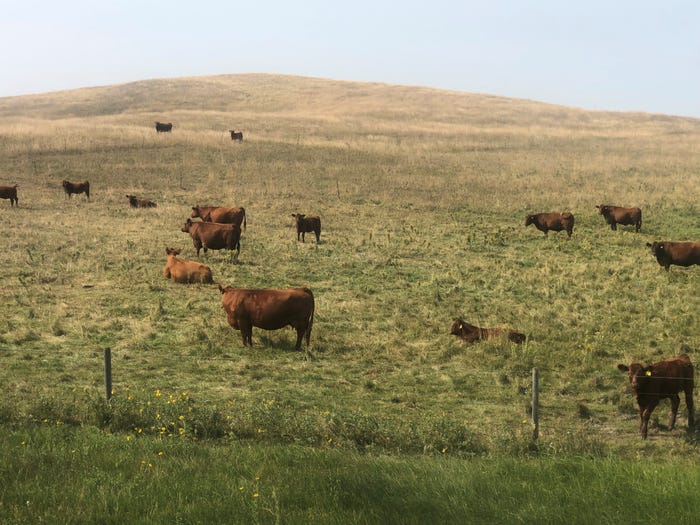
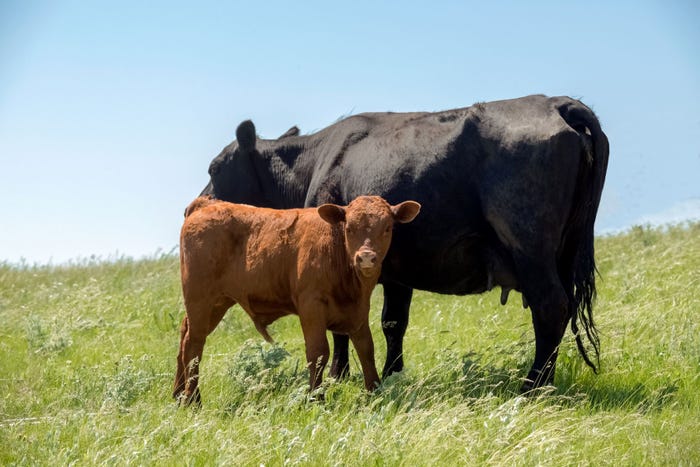
Pshigoda and his family run 800 to 2,500 stockers/year, including the calves produced by their 250-cow Angus herd. But marketing clubs can be just as beneficial to small operators.

Some market cooperatively

Mike Baker, Cornell University Extension beef specialist in Ithaca, NY, says there are no major cattle-marketing clubs in central New York, but several informal producer groups meet to discuss mostly beef production.

“They also monitor cattle futures prices, and some pool their calves for marketing,” he says. “Our feeder-calf operations are small enough that the futures market really isn't a factor other than for watching prices. There's not that much hedging.”

These groups market their cattle cooperatively, put together lists of steers, heifers and weights, and circulate them to several buyers. They've also developed a relationship with a small farmer-feeder operation in New York, he adds, and have focused on building that relationship, which over time will return a consistent price rather than always chasing the highest price.

Baker offers this advice on starting a marketing club: “You need to evaluate the markets available, whether you want to use direct sales or use of futures or options,” he says. “Then get the cattle together to have a uniform sale in terms of sex, weight and breed type.”

Marketing clubs are normally informal, but they need some direction for success, especially if the group pools money for futures or options trades.

To get a marketing club started, TAMU recommends seeking input from your county agent and/or regional Extension economist. Either one can be the major facilitator. Other possibilities include a banker, vo-ag teacher, commodity consultant or an agri-marketing professional.

The facilitator maintains mailing lists, sends out meeting reminders, sets up meeting rooms, makes available a computer with Internet connection, and arranges for a VCR, DVD or PowerPoint-like presentations, if needed.

Get Copyright Clearance Want to use this article? Click here for options!
© 2009 Penton Media Inc.

Browse Back Issues

BQS: View Details and Register Online!

American Cowman

www.AmericanCowman.com

Latest Jobs

Marketplace Ads

  • Hubbard Feeds, Inc

    Give us a call at (800)535-2428 to see if we can benefit your operation.

  • Hubbard Feeds, Inc

    Download free tools, sign-up for newsletters, browse nutrition products.

  • Your ad Here!

    Advertise your business here! Find out how.

  • Ag Maps for sale

    Ag Maps for Sale!

Resources

  • Western Art Prints
  • Beef Quality Summit
  • 2007 Fencing Guide
  • 2008 Feed Composition Tables
  • Cattlemen's Calendar
  • Biosecurity
  • 2007 Alliance Yellow Pages
  • Estate Planning
  • Calf Health
  • RFID Suppliers
  • State of the Industry
  • Free Product Info
  • National Stocker Survey