Ranchers Sing The Praises Of Mob Grazing of Cattle

What is in this article?:

  • Mob grazing, or short-duration, high-intensity grazing, improves pasture while increasing stocking rate, its practitioners say.
  • Multiple daily moves, watching the degree of utilization and focusing on animal performance are the keys to a successful mob-grazing program.

More About:

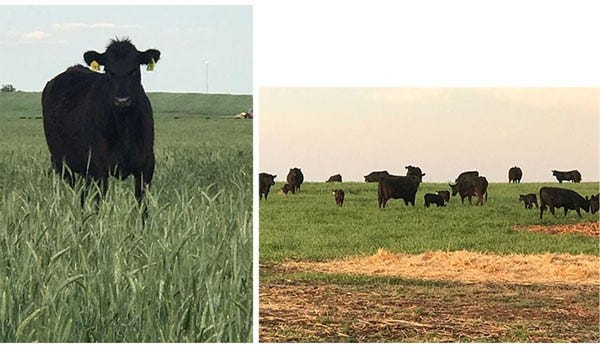
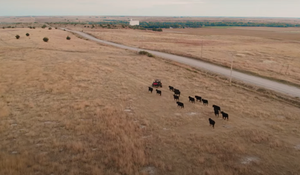
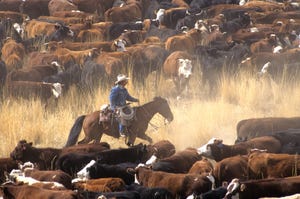
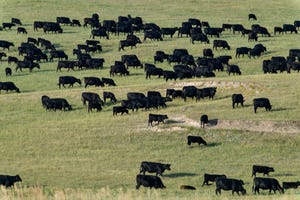
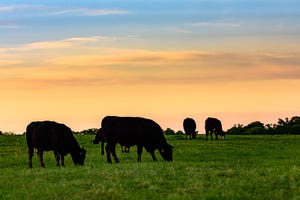
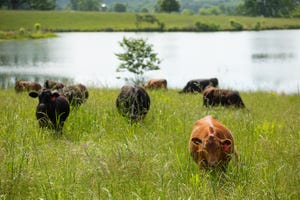
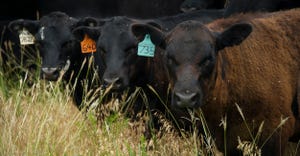
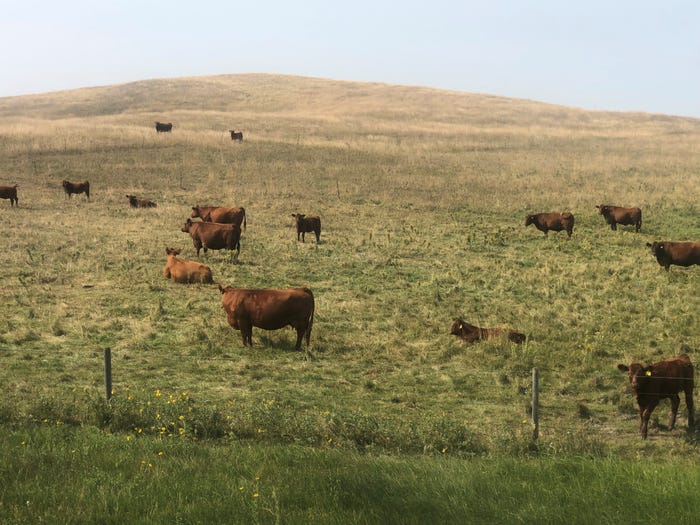
Gary Wofford, Kevin Fulton, Chad Peterson, Greg Judy and Mark Brownlee are “mob” men – mob grazing, that is. The term refers to short-duration, high-intensity grazing of many cattle on a small area of pasture, moved several times a day to new forage.

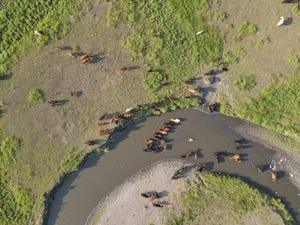
To understand mob grazing, imagine how millions of bison moved for centuries without fences.

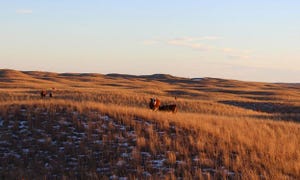
“They grazed in huge herds, spending short periods in certain areas and moving on – after fouling the feed with manure/urine or chased by predators,” says Gary Wofford, who ranches in arid southeast Colorado. “They might not return for months or a year, allowing grass to utilize the fertilizer provided by their manure/urine, and to fully recover.”

Holistic management educator Ian Mitchell-Innes defines mob grazing as moving animals around a pasture at high density to emulate that predator-prey relationship in which animals graze in tight groups and keep moving to protect the herd.

“As a result, only the plant tops were eaten, but that’s where all the energy is. The rest of the plant was trodden onto the ground, where it served as litter, providing soil nutrients and protecting the soil from sun and erosion,” he explains. 
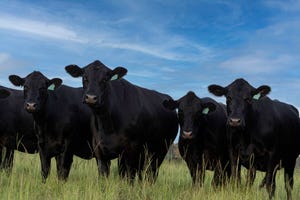
Kevin Fulton, who ranches in central Nebraska, rotationally grazed his cattle for 40 years before initiating intensive grazing nine years ago. He began by moving cattle daily, then multiple daily moves. He learned that when you rest pastures longer – dividing them into smaller paddocks and taking more time to get back to each small piece – forage production improves.
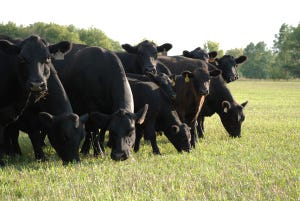
“The more paddocks, the more significant the positive changes will be,” he says.

Chad Peterson, north central Nebraska, was an early adopter. Drought forced him to begin on a small, trial-and-error basis in 2001. “In my experimentation, I kept making paddocks smaller in order to extend recovery time for the plants. This produced fantastic results so I kept doing it.”

In 2002, he met grazing guru Allan Savory. After reading Savory’s how-to book, Peterson realized that what he’d been doing was called ultra-high stock density. In 2007, his ranch was part of a University of Nebraska grazing tour in which Savory was a presenter. During the tour, someone coined the term “mob grazing,” Peterson says, and the name stuck.

Discuss this Article 3

Anonymous (not verified)
on Jun 20, 2012

explain what effect rainfall or lack of rainfall has on this process. we ranch on a piece of property that gets 12 to 14 inches of moisture yearly

NoDakGuy (not verified)
on Nov 16, 2012

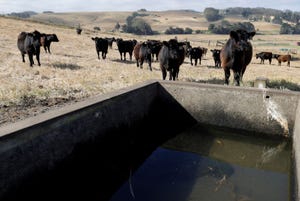
Yes I have a similar situation. Very little moisture. I would have to dig 20 new water tanks in to do something like this!

Anonymous (not verified)
on Feb 23, 2013

This system has been used for both dairy and beef cattle in NZ since the use of the electric fence. There is plenty of research to show that you get better feed utilisation and grass management with this system.

Post new comment
Sign In or register to use your BEEF Magazine ID
(optional)

BEEF Newsletter Sign Up

Search 2.5+ million listings