Most Recent
Propose an Article!
Have an idea about an article or subject you'd like to see in BEEF? Submit a proposal!
advertisement
More Topics
Online Exclusives
- BEEF Daily Blog: NEW! Daily updates from editor Amanda Nolz
- Election 2008: Read our coverage and voice your opinions
- Natural Disaster Coverage: Hurricane Ike
- BEEFtv: Videos from around the industry
- The Briefing Room: BEEF Business Updates
- BEEF News Roundup: Industry news & blog feeds - Updated Daily!
- BEEF Cartoons: Need to brighten your day?
- South America Study Tour: Travelogue and photos
- The BEEF Mailbag: Share your Viewpoint!
Cattle Prices Should Ride the Recovery Upward
Things are looking up for the cattle industry
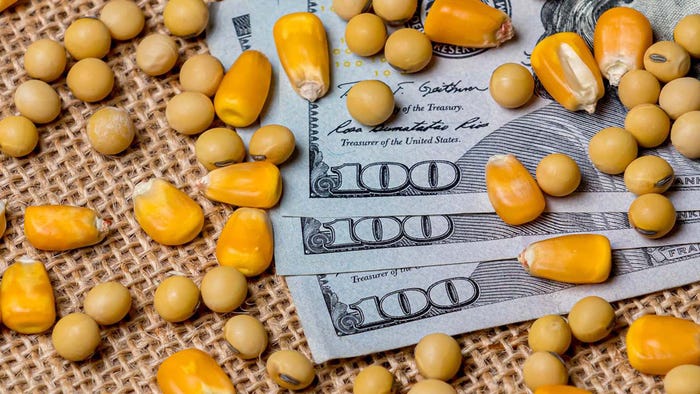
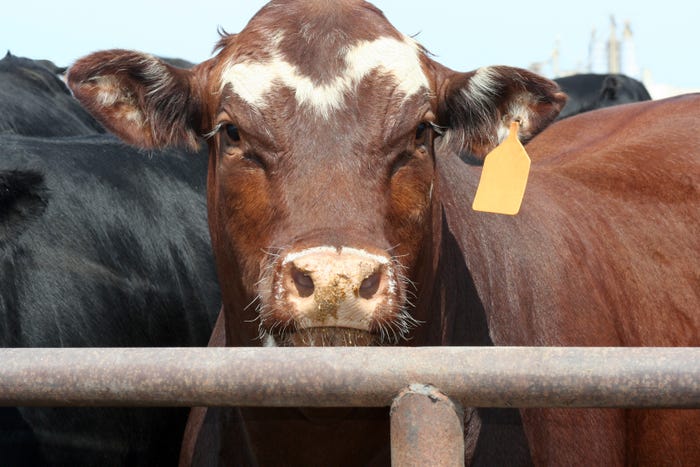
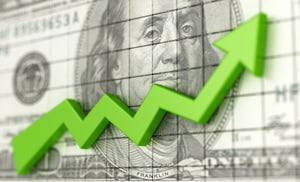
A host of economic indicators suggest that the recession has ended - with more positive than negative signs for the U.S. and the world economies - signaling a recovery for the cattle industry as well. "Unfortunately the beef industry rode the recession downward. So far this year, through the month of September, beef production has been down by 5 percent, but finished cattle prices have been almost $11 lower than in the same period last year," said Chris Hurt, Purdue University Extension economist. Nebraska finished steers averaged $93.60 per live hundredweight in the period between January and September 2008. This year those values dropped to $82.75. Steer calf values have also been about $11 per hundredweight lower and feeder cattle about $9 lower. Beef and cattle prices are generally more directly impacted by changes in economic prospects than pork or poultry markets, moving downward with recession and upward with recovery. "The indicators of recovery are beginning to become more numerous in such data as the rise in the average length of work week, rising building permits, falling numbers of new claims for unemployment, and, of course, the rising stock market. The recovery is expected to be slow by historic standards with unemployment remaining high into 2010. However, the unemployment rate is a lagging indicator and not the one to use as the measure of recovery," said Hurt. Inflationary investing may be another reason cattle are underpriced. "In the past six weeks, there has been a resurgence of inflationary buying in futures markets. This has also been related to the continued weakening of the U.S. dollar where the lead futures contract has been down 5 percent since September 1," said Hurt. "Since that date, the lead futures contracts for various commodities have been shooting upward: corn up 19 percent, copper and gold 5 to 10 percent higher, and crude oil up 14 percent. In contrast, the lead contract for live cattle futures has been down about 2 percent. This may well mean that cattle are cheap relative to other commodities," he said. To read the entire article, link here.
Want to use this article? Click here for options!
© 2010 Penton Media Inc.
Acceptable Use Policy blog comments powered by Disqus