AmericanCowman.com - Dedicated to America's family cattle operations.
Most Recent

Cow Calf Weekly

Subscribe to our weekly newsletter... It's FREE!

Online Exclusives

Know Your Strengths


         Subscribe in NewsGator Online   Subscribe in Bloglines

When Shawn Mercer took over management of his grandparents' farming and cattle operation 15 years ago, he'd have given his eye teeth for a blueprint he could apply to the cattle business in general, and the stocker business specifically. After his grandfather died, Mercer and wife Katie struggled to figure out how to make the farm pay its way for another generation.

The operation outside Richton, MS — just a stone's throw from the southwest corner of Alabama — had traditionally been a cow-calf operation. But, Mercer remembers, “It didn't take us long to realize cows wouldn't produce enough return on investment to ultimately buy the farm from family members.”

A tempting alternative adopted by plenty of neighbors in those days was enrolling marginal ground in the Conservation Reserve Program (CRP) and planting pine trees. Besides the CRP payments, with little to no labor requirement, additional income could be derived down the road from the periodic thinning of trees required to maintain a healthy stand.

“But pine trees are a commodity, too,” Mercer says. Besides, his grandmother wanted to see cattle still running on the place. That's why they chose the stocker business.

“With stocker calves we have the chance to market them twice a year or more, depending on how we roll them,” Mercer explains. “Stockers were the best option for our time, grass and labor resources.”

Size has advantages

Understand that labor is a primary limiting resource here. Mercer wasn't depending on the farm for a full-time living then, nor does he today. It's strictly a family affair, except for occasional day help. No single person devotes all their time to the operation, which is a calculated choice.

“We look at maximizing profit per head rather than the number of head,” Mercer says in explaining the decision to maintain their operation at a size defined by thousands of head annually, rather than the tens of thousands run by operations that rely on the stocker business alone. “We can keep our costs and overhead low and turn more profit per animal rather than simply run more numbers.”

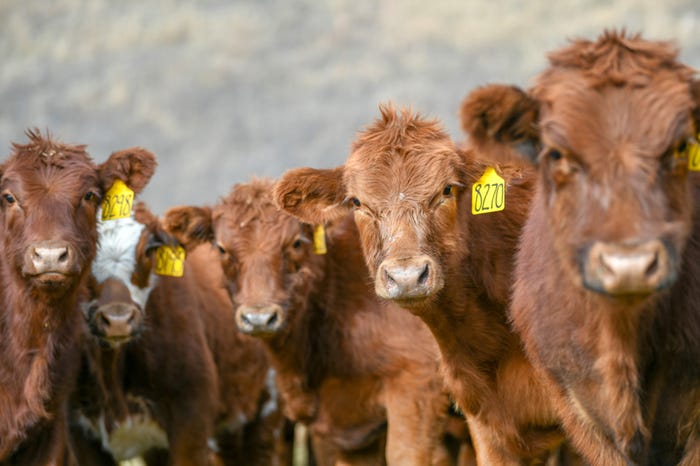
Ironically, to some at least, the Mercers achieve this with a class of cattle commonly perceived as the most labor-intense — bawling flyweights straight off their mamas, with a fair bit of commingling and travel stress before they ever set foot on the place.

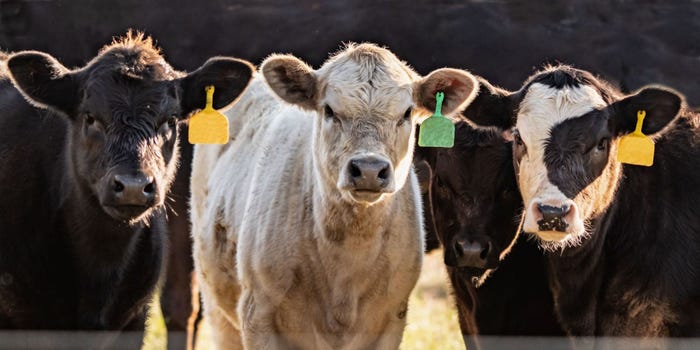
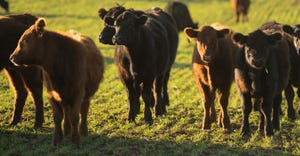
“Traditionally, we like to take a 250-lb. calf, precondition it through winter on ryegrass, put about 500 lbs. on it and sell it as a seven- or eight-weight,” he says.

“I know some people dislike small calves, but we don't see a lot of difference between one weighing 250 lbs. and one weighing 450 lbs. But we know about taking care of lightweight calves.”

The Mercers focus on minimizing overhead through both management and leverage.

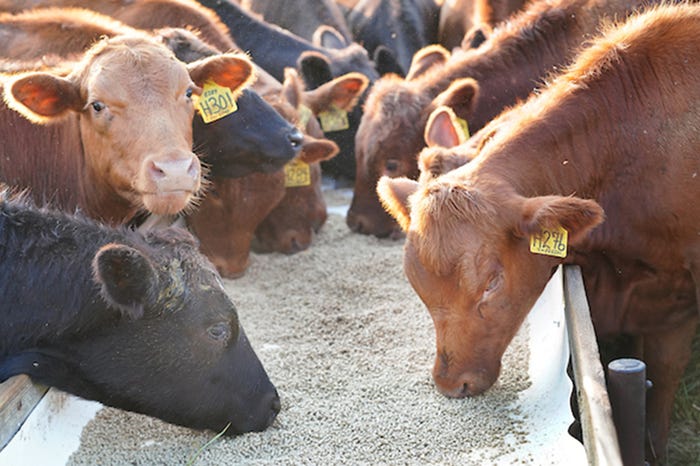
Mercer decided a long time ago that the fewer moving parts — equipment and processes — he owned, the better. They contract with others to bale hay, apply fertilizer and that sort of thing.

“I could probably save another 20% buying straight commodities and mixing them, but it would take more equipment,” Mercer says. The highest net return for his operation comes in the middle ground, saving 40% on bulk feed rather than sacked, but foregoing the additional savings that require more equipment.

That low-overhead management extends to the moving parts that are people, too.

“With a stocker operation, I think we have an even more difficult time finding good labor due to the required husbandry skills needed to treat our type of extremely high-risk cattle,” he says. Besides, it's not like qualified sorts are crowding the farm gate looking for work.

As for inherent leverage, think in terms of forage and the cattle themselves.

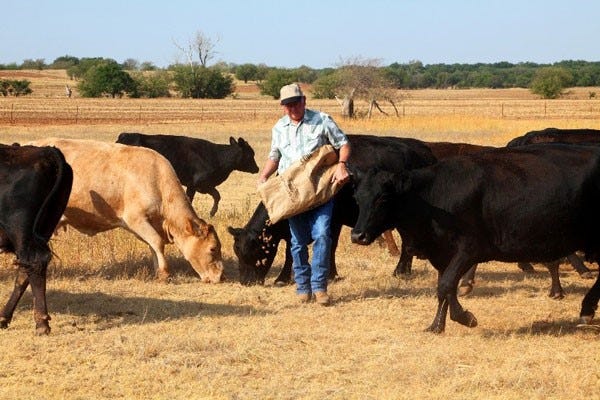
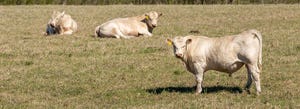
Mercer Cattle, LLC was named this year's National Stocker Award winner after first earning top honors in the fall-winter stocker division. Ryegrass for 150± days in the fall and winter is their bread and butter, but rotational grazing and native grasses — Bahia grass, common Bermuda grass and wild millet — offer additional flexibility and opportunity.

“All costs associated with winter grazing have increased, so we're looking at trying to utilize more native grasses, trying to get more in synch with Mother Nature. Not only are we trying to run cattle, but we want to make this place better than when we took it over, just like our parents and grandparents did.”

Get Copyright Clearance Want to use this article? Click here for options!
© 2008 Penton Media Inc.

Browse Back Issues

American Cowman

www.AmericanCowman.com

Latest Jobs

Marketplace Ads

  • Hubbard Feeds, Inc

    Download free tools, sign-up for newsletters, browse nutrition products.

  • CattleStore.com

    To Order Livestock Supplies visit www.CattleStore.com or call toll-free (866)344-4094!

  • Verification

    Verification-- contact IMI Global at 866-442-5368,
    verified@
    imiglobal.com or visit usverified.com.

  • Your ad Here!

    Advertise your business here! Find out how.

  • Ag Maps for sale

    Ag Maps for Sale!

Resources

  • Western Art Prints
  • Beef Quality Summit
  • 2007 Fencing Guide
  • 2008 Feed Composition Tables
  • Cattlemen's Calendar
  • Biosecurity
  • 2007 Alliance Yellow Pages
  • Estate Planning
  • Calf Health
  • RFID Suppliers
  • State of the Industry
  • Free Product Info