Ranchers Sing The Praises Of Mob Grazing of Cattle

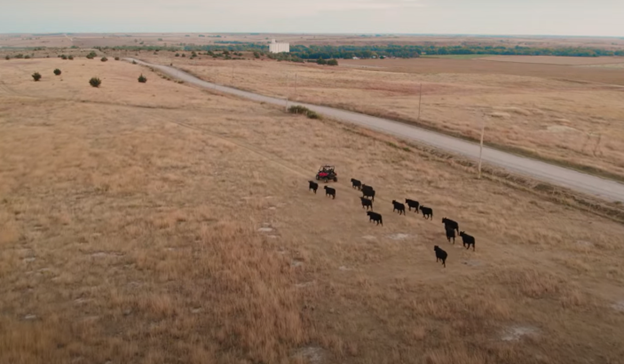
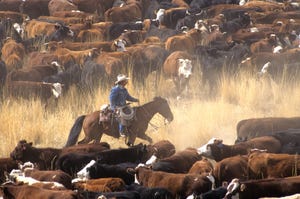
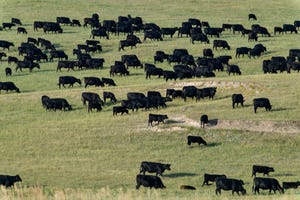
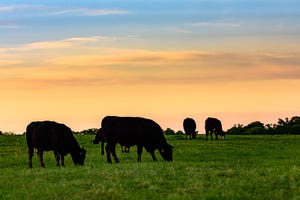
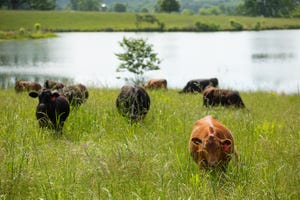
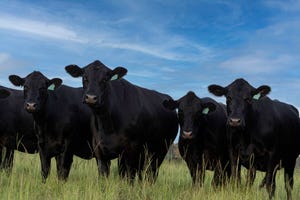
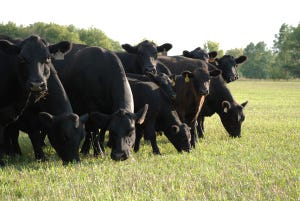
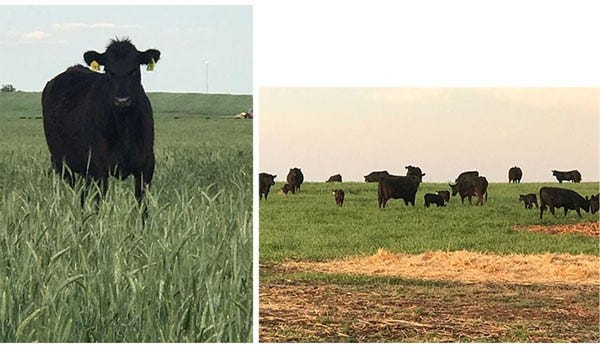
  • Mob grazing, or short-duration, high-intensity grazing, improves pasture while increasing stocking rate, its practitioners say.
  • Multiple daily moves, watching the degree of utilization and focusing on animal performance are the keys to a successful mob-grazing program.

More About:

Soil Health

Doug Peterson was a soil scientist with NRCS and had several things happen in his own operation (400 cows) that led him to see what animal impact and trampling could do.

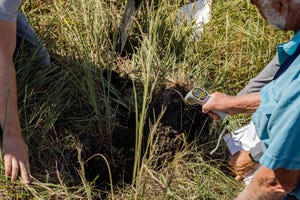
“This is a phenomenal tool to heal/build up worn-out soils. Here in northern Missouri, historically our soils were probably close to 8% organic matter. Now, cropland is about 1.5% and well-managed pastures 2.5 to 3.5%,” Doug says.

“In my training (agronomy and soil science), we were taught it takes hundreds of years to build/restore soil. But we started seeing interesting things with intensive grazing and trampling; adding carbon to the soil surface, feeding soil biology. We now know we can do it a lot quicker,” he explains.

“Some producers have restored soil organic matter to 6%, or even 8%, in a few years, with tremendous increase in productivity. Trampling is a way to feed the soil biology. We feed our cows but rarely think about soil needs. When we remove soil’s food source (with crops or haying), we take something away. Even if we feed hay back on the land, we can’t spread it as uniformly as grazing,” Doug explains. Leaving forage builds up organic matter cows can trample in the winter during the dormant season. 

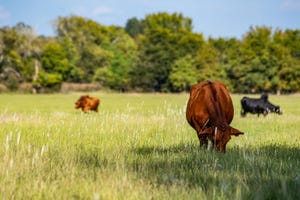
“By keeping a taller canopy most of the year, we also keep soils cooler – creating a microclimate from the soil’s surface upward (not just down). Soil temperatures under tall grass are often 20° lower than in shorter pastures right across the fence.” Shaded ground is protected from heat/wind, and stays moist longer.

Reduce cow costs

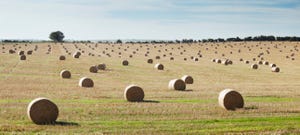
Mark Brownlee, a mob-grazing disciple in Missouri, used to feed five big round bales/cow/winter. “Now I’m down to 1 bale/cow or less, saving $100/cow last year. This year, I’ll save more because hay prices are higher. I haven’t bought fertilizer since 2008,” he says.

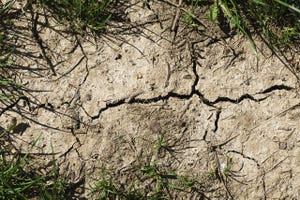
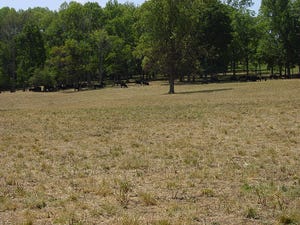
“In fact, I’m running a few more cows even though this summer was the driest since 1980. I grazed all the way through it. Many cattlemen here fed hay this summer, but I have a built-in stockpile of feed,” Brownlee says. 

Discuss this Article 3

Anonymous (not verified)
on Jun 20, 2012

explain what effect rainfall or lack of rainfall has on this process. we ranch on a piece of property that gets 12 to 14 inches of moisture yearly

NoDakGuy (not verified)
on Nov 16, 2012

Yes I have a similar situation. Very little moisture. I would have to dig 20 new water tanks in to do something like this!

Anonymous (not verified)
on Feb 23, 2013

This system has been used for both dairy and beef cattle in NZ since the use of the electric fence. There is plenty of research to show that you get better feed utilisation and grass management with this system.
Post new comment
Sign In or register to use your BEEF Magazine ID
(optional)

BEEF Newsletter Sign Up

Search 2.5+ million listings