Most Recent
advertisement
SMALL BUSINESS TIPS from American Cowman
From Dr. Jason K. Ahola, State Beef Extension Specialist
Could the future hold great promise for cow/calf producers?
Beef Production in the European Union – A Look into our Future?
Trace Minerals: What to supplement and when
More Topics
Online Exclusives
- BEEF Daily Blog: NEW! Daily updates from editor Amanda Nolz
- Election 2008: Read our coverage and voice your opinions
- Natural Disaster Coverage: Hurricane Ike
- BEEFtv: Videos from around the industry
- The Briefing Room: BEEF Business Updates
- BEEF News Roundup: Industry news & blog feeds - Updated Daily!
- BEEF Cartoons: Need to brighten your day?
- South America Study Tour: Travelogue and photos
- The BEEF Mailbag: Share your Viewpoint!
When, Not If, Disaster Strikes
The Arizona Livestock Incident Response Team integrates producers, veterinarians and state and federal agencies to respond to livestock emergencies.
Finding dead cattle from time to time isn't exactly uncommon. Finding a bunch of them all at once is another heartbreaking matter.
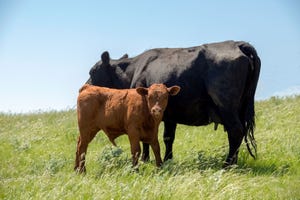
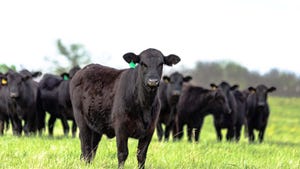
An Arizona rancher brought cow-calf pairs down from the mountains a few years ago. By the next morning, cattle were dead and dying; ultimately the toll was 138 cows and calves. No exact cause was ever determined.
That was the catalyst behind the Arizona Livestock Incident Response Team (ALIRT), a system that trains livestock emergency first-responders, equips them and coordinates the state's efforts when an emergency arises.
“The terrorist attacks of Sept. 11 and Britain's foot-and-mouth disease (FMD) outbreak were wake-up calls, but this case was the impetus for ALIRT,” says Peder Cuneo, University of Arizona (UA) Extension DVM. He also serves as ALIRT field coordinator.
In the Arizona case, lots of things went wrong. The local veterinarian called the state vet's office, but it was Saturday. Nothing got moving until Monday. By then the cattle were already buried, so there was no opportunity to gather necropsy samples. Plus, many of the gathered samples were inadequate or poorly preserved.
In the meantime, the rancher was looking for answers from various parts of the Extension system. For instance, he sent plant samples for toxicology analysis, but the results were never forwarded due to poor communication between departments and agencies. Everyone involved was doing what they were supposed to do, but there was no coordinated system.
As tragic and economically devastating as this loss was for the owner, had the cause been a virulent foreign animal disease (FAD), it may have swept through a wide swath of the nation before state authorities knew there was a problem.
Rick Willer, Arizona State veterinarian when ALIRT began, points to a University of California-Davis study that found that an FMD outbreak in California's big dairy country would cost $3 million for every hour the disease went undetected or undiagnosed. That's the direct cost.
As British livestock producers and the rest of the world watched the burning pyres of cattle, sheep and pigs infected with FMD in 2001, the human toll slipped through the cracks. But Cuneo says there were at least 90 suicides tied to that outbreak, both livestock owners and those involved in depopulating the herds. “The same thing can happen in any nation with a sophisticated livestock production system,” he says.
“It's not a matter of whether a problem will occur, it's a matter of when,” Willer adds.
Everyone's responsible
Bob Kattnig, UA Extension beef specialist, says ALIRT is the result of Arizona cattle producers sitting down with the state vet's office, UA's veterinary diagnostic lab and the UA Extension Service to figure out how to enhance emergency response in the future.
All involved recognized each had a responsibility and no single entity could do it all, Cuneo says. As a group they decided the best solution was to take advantage of the fact that large-animal veterinarians were scattered across the state. The notion was to develop a standard protocol for these first-responders, train them and then outfit them with the necessary equipment to document the event and properly collect and transport samples. That includes everything from GPS units, to digital cameras, to the necessary gear for dealing with hazardous materials.
Incidentally, the responders are trained to protect the emergency site as a possible crime scene so that samples gathered are admissible as court evidence.
The Arizona Cattle Growers Association lobbied for and received the needed dollars through the state legislature. In addition to training and outfitting first-responders, along with funding the necessary expenses, monies also go toward producer outreach programs and continuing education for the responders.
ALIRT is a public service. Producers don't pay for the veterinary and diagnostic costs involved. It's also voluntary, unless an FAD is suspected.
Making connections
ALIRT goes beyond the livestock community, too. The ALIRT group includes: the state environmental protection agency, state law enforcement, state and federal wildlife experts, and a state public health veterinarian. When an ALIRT case is begun, counterparts are notified in neighboring states, including Sonora and Chihuahua in Mexico.
But, Kattnig emphasizes, “Every world animal health emergency starts locally, so it's imperative we respond to every incident.”
Cuneo says one benefit of ALIRT is more producers now report losses. Before, some producers would chalk up a handful of dead cattle to bad luck, rather than pay for a veterinarian to come take a look. Keep in mind this is sprawling, vast ranch country where a section might support a few pairs or fewer.
Next Page: New Mexico has already developed a mirror-image program to ALIRT
Want to use this article? Click here for options!
© 2009 Penton Media Inc.
Acceptable Use Policy blog comments powered by Disqus